October 2, 2026
Water can move far beyond the place where a plumbing problem first appears. A burst pipe may soak a nearby cabinet, while an overflowing fixture can send water across a floor and into the room below. Even a leak that looks small at first may continue feeding moisture into walls or flooring until its source is found. The longer water keeps entering a space, the more difficult it becomes to limit the affected area.
An emergency plumbing service addresses the active plumbing problem while there is still an opportunity to reduce further exposure. The work begins with identifying where water is escaping or backing up and determining what can be repaired. A plumber cannot undo damage that has already occurred, but stopping the ongoing flow can keep a sudden failure from affecting more of the property. The response depends on how water entered the space and which part of the system failed.
Stopping an Active Leak at Its Source
When water is visibly escaping from a pipe or fixture, the immediate concern is that the flow may continue. A wet patch can widen as water travels beneath flooring or through the seams around a cabinet. Even a leak contained within one room at first can reach the wall base or the room below as more water collects. The first plumbing task is to identify which connection or pipe section is releasing water so that flow can be controlled.
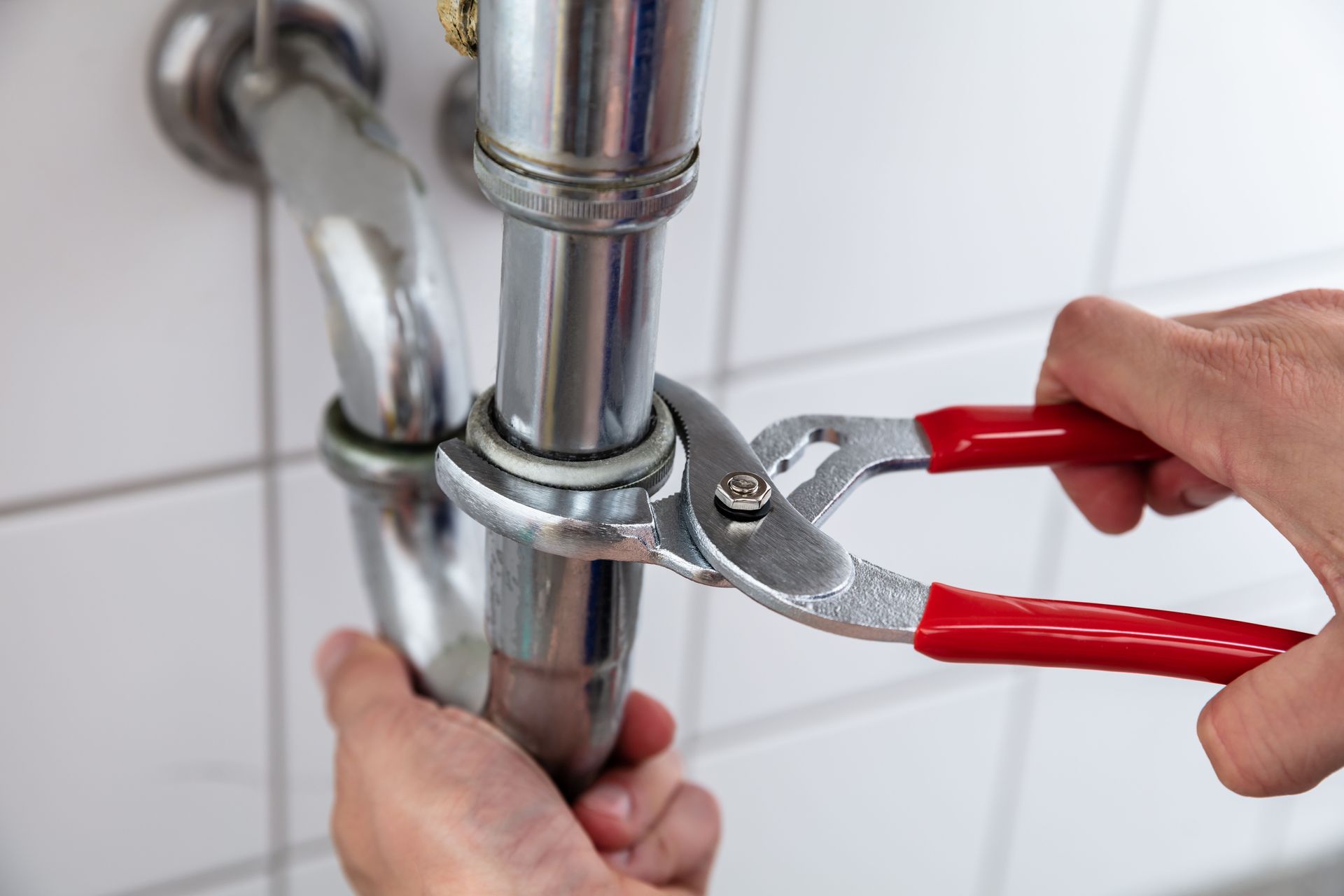
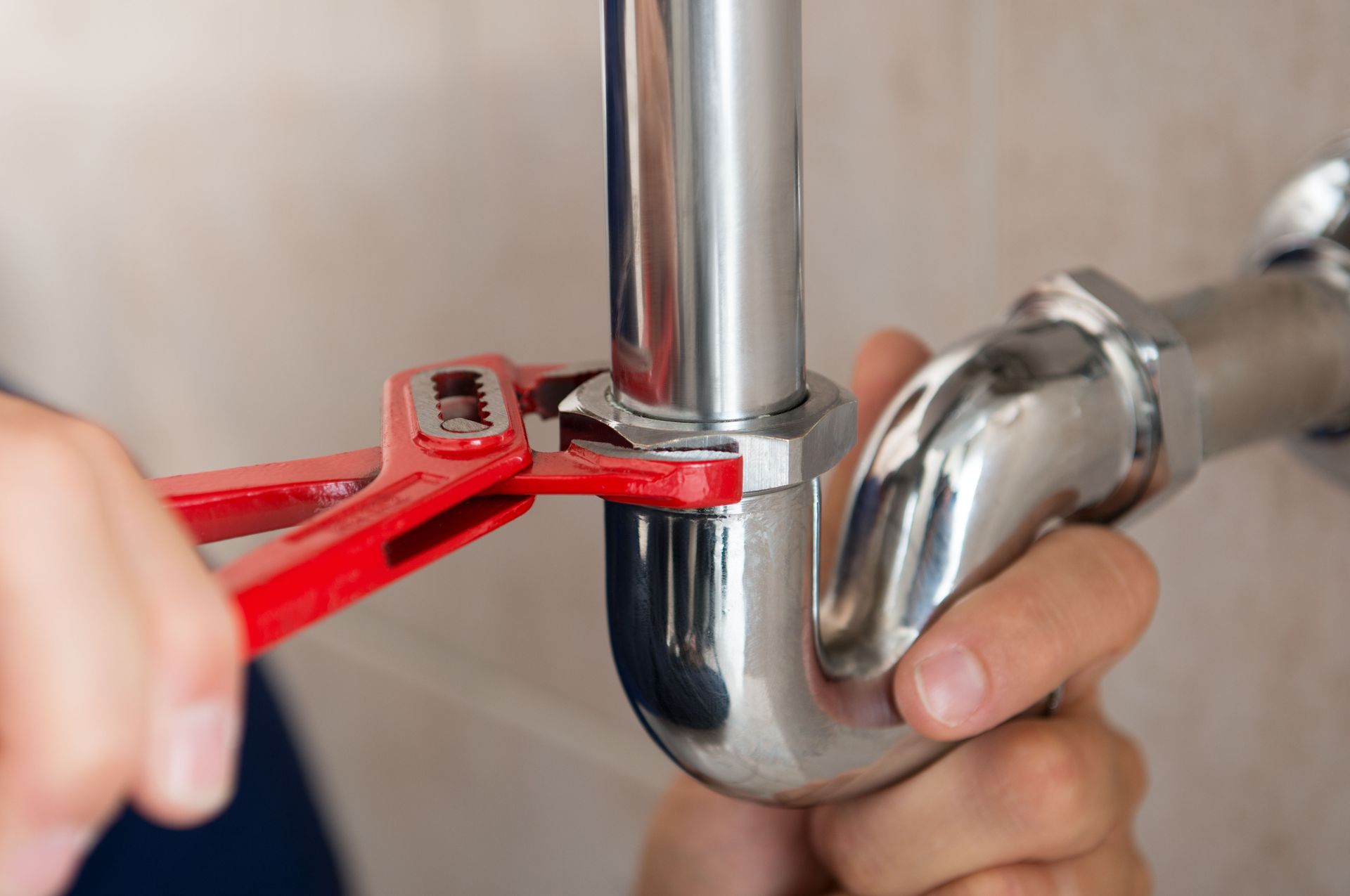
An emergency plumbing service can assess the affected pipe or fixture and work to contain the leak before making a repair. That sequence matters because a wet fitting might be receiving water from a nearby connection rather than leaking itself. Once the source is identified, a targeted repair can stop additional water from entering the space. The property's materials may still need separate attention afterward, but the plumbing work addresses the condition that continues to expose them to moisture.
Responding to Burst and Frozen Pipes
A burst pipe can release water much faster than a slow leak. The affected area may expand before a property owner has time to understand which pipe failed, especially when the break is behind a wall or in another concealed location. A plumber's first task is to assess the break and control the flow before repairing the damaged section. Swift action reduces the amount of water reaching nearby surfaces while the source remains active.
Cold weather adds another complication. A frozen pipe may block the normal flow of water, and a damaged section can begin leaking as the ice thaws. Professional thawing and pipe repair address both the immediate obstruction and any break that has developed. The condition of the line matters: restoring flow alone would leave water escaping if the pipe has split. For that reason, an emergency plumbing service can help distinguish a temporary freeze from a pipe failure that needs repair before normal use resumes.
Finding Leaks That Are Easy to Miss
Some urgent leaks never produce a dramatic spray of water. Moisture may collect under a floor, behind a wall, or near a hidden pipe connection, becoming noticeable only after a stain, odor, or persistent dampness develops. A mark near a kitchen cabinet, for example, may reflect water traveling from a concealed line rather than a spill on the floor. By then, moisture may have traveled beyond the first visible sign. A closer assessment can determine whether an active plumbing leak is still feeding it.
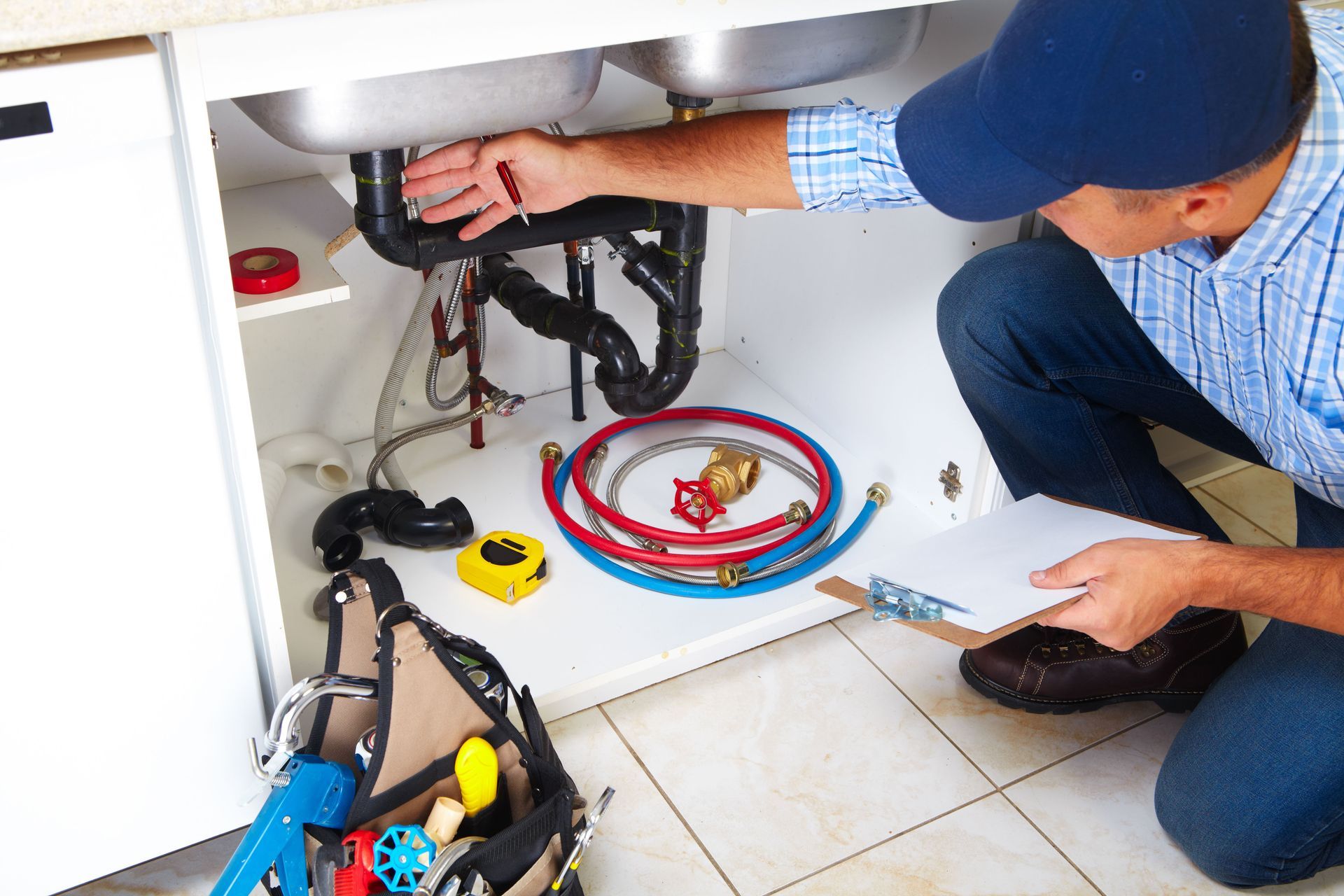
Locating the source is especially important when several possible pipes or fixtures serve the affected area. An emergency plumbing service can use leak detection to identify where water is escaping and carry out a repair suited to that location. Comparing the visible moisture with the layout of nearby plumbing helps focus the search when the source is concealed. Prompt attention limits the time surrounding materials remain exposed to new water. It also prevents a misleading surface symptom from drawing attention away from the pipe or connection that actually needs work.
Addressing Overflows and Sewer Backups
An overflowing toilet or backed-up drain creates a different route for water to spread. Instead of escaping from a supply line, water that should drain away may rise into a bathroom, basement, or other occupied space. If the backup continues when fixtures are used, the affected area can grow rapidly. The underlying issue might involve a blockage in a drain or a problem farther along the sewer line, so the response depends on where the flow is being interrupted.
Professional drain cleaning or sewer line service can address the obstruction or damaged line once its location is understood. A plumber can also examine an overflowing toilet to determine what caused the immediate failure. An emergency plumbing service is valuable here because clearing the route for wastewater can prevent more from entering the property during normal use. If several fixtures share the affected line, continued drainage problems can send wastewater to the lowest available opening. The plumbing response does not replace attention to any contaminated surfaces, but it helps stop the backup that continues to create the problem.
Checking a Water Heater That Is Leaking
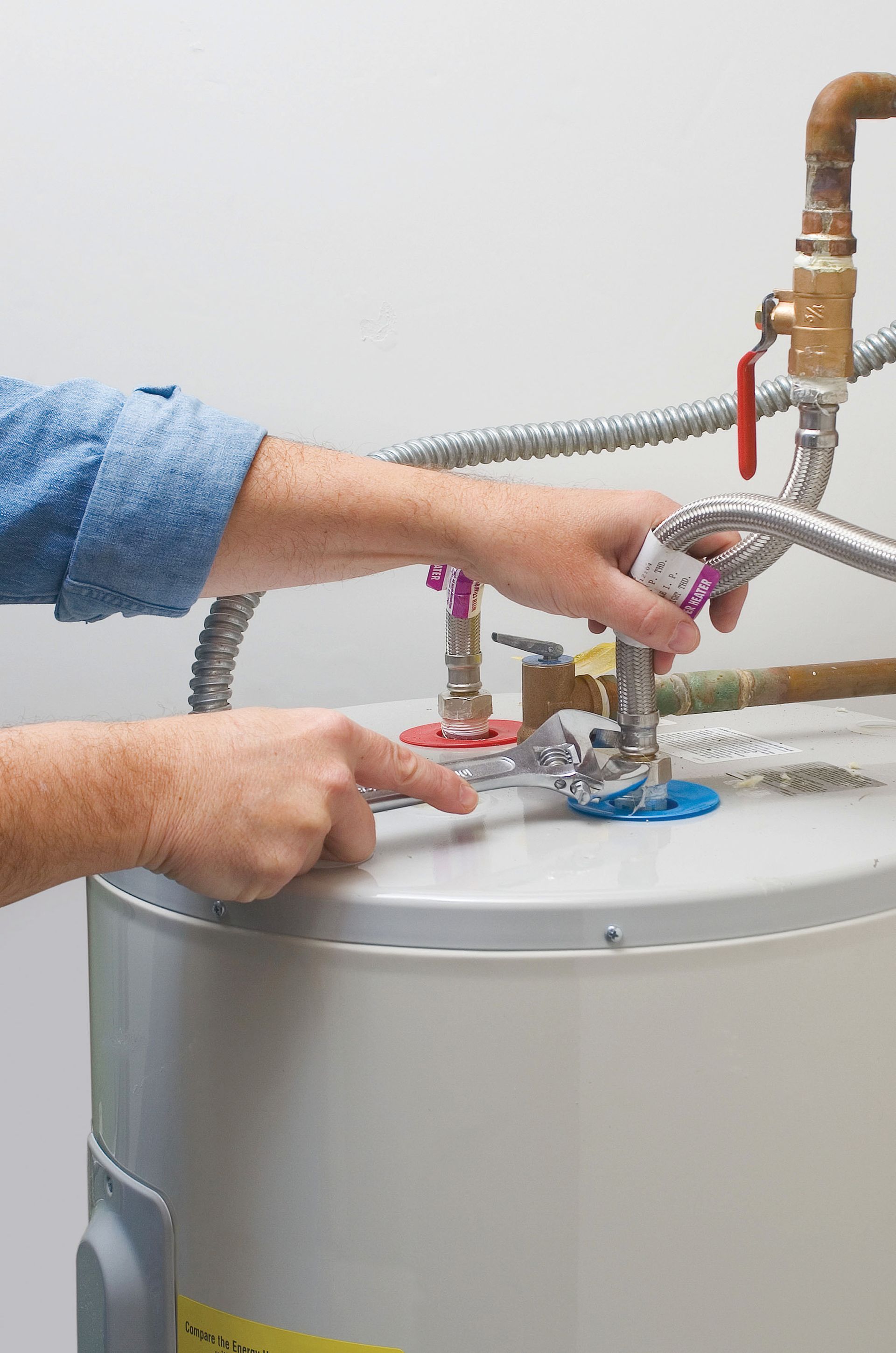
A water heater may announce trouble through a loss of hot water, but a leak at the unit or its connections raises a more immediate property concern. Water can collect near the heater and spread into surrounding floors or stored belongings. A prompt evaluation can identify whether the water is coming from the equipment, a nearby pipe, or another connection. That distinction guides the repair and keeps attention on the source of the moisture.
According to Consumer Reports, heating water accounts for roughly 18% of a typical home's energy use. That substantial demand makes heater performance easy to notice, while the water connections around the equipment deserve attention for a different reason: a leak can damage nearby materials even when hot water still flows. An emergency plumbing service can address escaping water and determine whether a traditional or tankless unit requires repair or replacement. Loss of hot water alone does not indicate water damage; the immediate property concern is water leaking from the unit or its connections.
Looking Beyond the Immediate Repair
Stopping the active problem is the priority, but understanding why it happened can inform what follows. A repaired pipe may have failed after freezing, while a recurring backup may indicate that a drainage issue needs more than a temporary clearing. A plumbing inspection can assess nearby components and identify concerns that deserve attention. Those findings help the property owner understand which work addressed the emergency and whether any additional plumbing repair is warranted.
This follow-up matters most when the visible symptom concealed a broader problem. Repairing one damaged section restores that section, but a plumber may also find a vulnerable connection or another issue nearby. If a pipe split during a freeze, the assessment may identify other exposed sections that deserve attention; a recurring backup may call for a closer look along the drain line. Recommendations should reflect what the inspection actually reveals rather than assume every emergency requires extensive changes. Prompt plumbing work reduces further water exposure and gives the property owner a clearer basis for decisions after the immediate crisis has passed.
Water damage becomes harder to contain while a pipe, fixture, or drain continues to release water into a property. Prompt diagnosis and repair give homeowners a way to stop that continuing exposure and understand what caused it. At Remarkable Plumbing and Heating, we respond to urgent plumbing problems and can assess the repair needed to address the source. Contact us if an active leak, overflow, or backup is affecting your home.