June 2, 2026
Whether you are waking up to the luxury of a brisk morning shower or managing the logistics of running a heavy load of laundry, hot water serves as the silent, indispensable engine of household comfort. It is an amenity we often take for granted—until the moment the stream turns cold.
This decision goes far beyond simply choosing the hardware that sits in your utility closet; it is a strategic choice about balancing your family’s immediate, high-volume water demands with your long-term energy-saving goals. While a tank offers familiarity, the tankless route provides the promise of an "endless" supply and a smaller carbon footprint. However, making the switch also means understanding the technological shift involved and knowing exactly who to call for specialized tankless water heater service and repairs should you choose the high-tech, on-demand path. At Remarkable Plumbing and Heating, we are here to help you deconstruct these options, ensuring that your next investment provides the perfect flow of warmth and efficiency for your specific lifestyle.
1. Understanding Tank Water Heaters
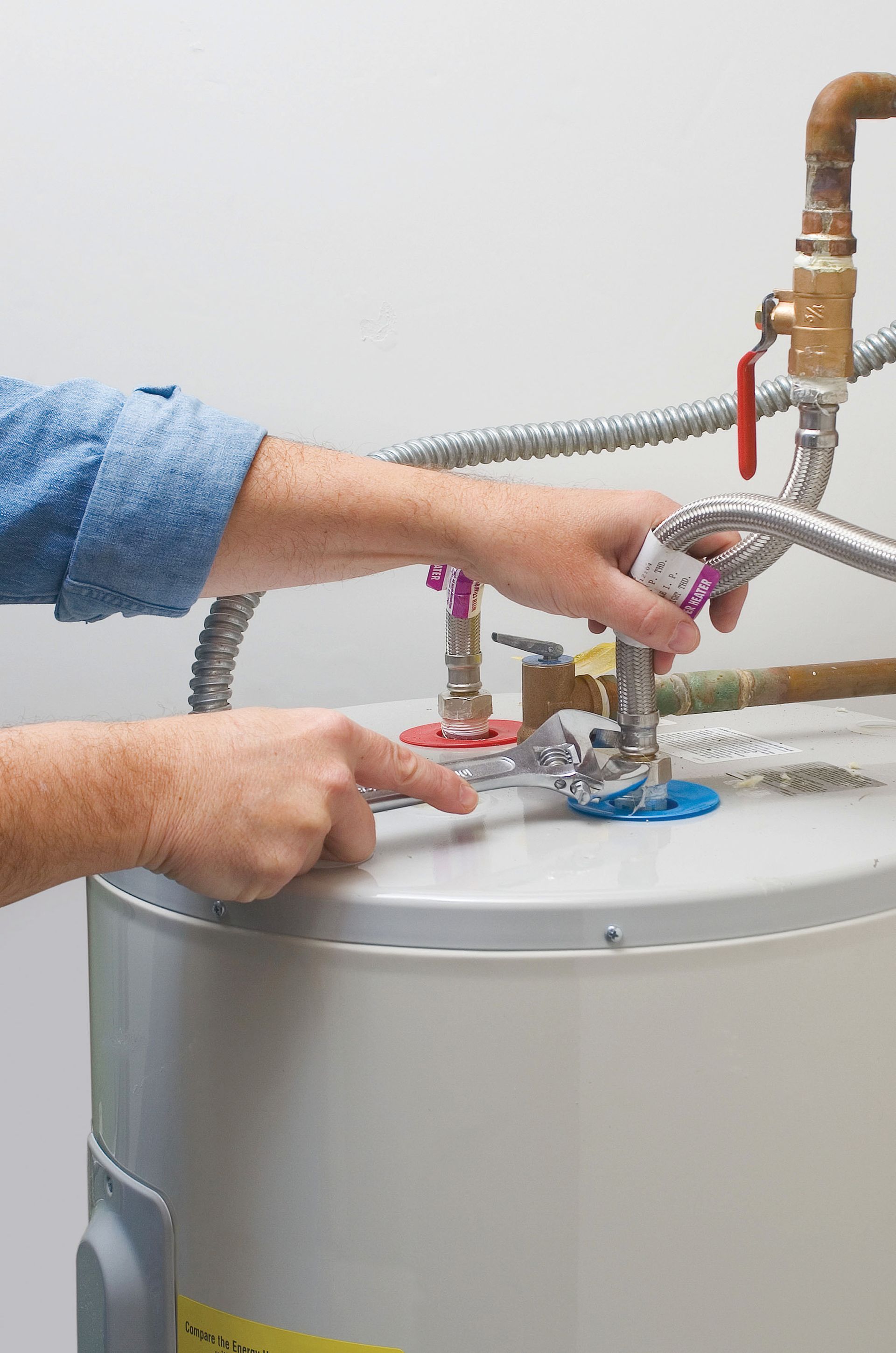
Tank water heaters are the traditional choice for many homes, operating by storing a large volume of hot water in a reservoir tank. This tank heats and maintains the water temperature until it is needed, ensuring a steady supply is available at all times. While this system is reliable, it requires continuous energy to keep the stored water hot, which can lead to higher energy bills.
The advantages of tank water heaters include their lower initial cost and the simplicity of installation. They are generally easy to maintain and repair, with many models offering a straightforward design that is familiar to most plumbers. However, they can take up a significant amount of space, which may be a constraint for smaller homes or apartments. Despite their benefits, tank water heaters have some disadvantages, such as the risk of running out of hot water during high-demand periods.
2. Understanding Tankless Water Heaters
Tankless water heaters, also known as on-demand water heaters, heat water directly without the need for a storage tank. When a hot water tap is turned on, cold water travels through a pipe into the unit, where it is heated by a gas burner or electric element. This process provides a constant supply of hot water without the wait associated with traditional tanks. To keep these complex units running smoothly, it is important to schedule periodic tankless water heater service and repairs.
The primary advantage of tankless water heaters is their energy efficiency, as they only heat water as needed. This can result in significant energy savings, especially for households with lower water usage. Additionally, tankless units are compact and can be installed in smaller spaces, making them an ideal choice for homes with limited space. However, they do require specialized technical knowledge when it comes to tankless water heater service and repairs.
3. Energy Efficiency Considerations
Energy efficiency is a critical factor to consider when choosing between tank and tankless water heaters. Traditional tank water heaters continuously expend energy to keep the stored water hot, even when not in use. This standby energy loss can contribute to higher utility bills, especially in larger households with higher hot water demands.
In contrast, tankless water heaters boast a more energy-efficient design, as they only heat water on demand. This eliminates standby energy loss, making them a more economical choice for many families. However, the efficiency of a tankless system can be affected by factors such as incoming water temperature. To maintain this high efficiency over the lifespan of the unit, homeowners should stay proactive with tankless water heater service and repairs.
4. Initial Investment and Long-Term Savings
The initial cost of purchasing and installing a water heater is a significant consideration. Tank water heaters typically have a lower upfront cost, but their ongoing energy costs can add up over time. In contrast, tankless water heaters generally come with a higher initial price tag and more complex installation requirements. Did you know? According to IBIS World, The plumbing market in the United States is valued at an estimated $121.5 billion, according to IBISWorld.
Despite the higher entry cost, the long-term savings from reduced energy consumption can make tankless units a more cost-effective choice in the long run. It's also important to factor in the specialized nature of maintenance; finding a reliable team for tankless water heater service and repairs ensures your investment is protected. Financial considerations also extend to potential part replacements, which vary significantly between the two systems.
5. Suitability for Different Household Needs
When deciding between tank and tankless water heaters, consider your household's specific needs. Large families with high hot water demands may benefit from the constant supply offered by a tank system. In contrast, smaller households might find the energy savings of a tankless unit more appealing.
High-demand situations can also influence your decision. Tankless systems may struggle to keep up with simultaneous hot water usage, such as running two showers at once. However, they are an excellent choice for homes with space constraints. Regardless of the household size, ensuring you have a contact for tankless water heater service and repairs is essential for any modern home setup.
6. Installation and Maintenance Factors
Installation requirements for tank water heaters are typically straightforward. However, regular maintenance, such as flushing the tank to remove sediment buildup, is essential to prolong the unit's lifespan. Professional installation is always recommended to ensure compliance with safety standards.
On the other hand, tankless water heaters generally require professional installation due to their specific venting and electrical/gas needs. This ensures optimal performance from day one. Maintenance for tankless units may include descaling to remove mineral buildup, a core part of professional tankless water heater service and repairs. Understanding these factors helps you choose the level of upkeep you are comfortable managing.
Choosing between a tank and a tankless water heater is a decision that impacts your home’s efficiency, comfort, and monthly expenses for the next decade or more. While the lower entry price of a tank system is attractive for immediate replacements, the on-demand performance of a tankless unit offers a modern alternative that pays dividends through lower utility bills. To ensure your system remains in top shape, always rely on experts who specialize in tankless water heater service and repairs.
Don't wait for a catastrophic tank failure or a flooded basement to force your hand; the best time to explore your water heating options is while your current system is still operational. Being proactive allows you to carefully weigh the benefits of traditional reliability against modern innovation without the pressure of an emergency. Whether you are leaning toward the proven endurance of a high-capacity new tank or the cutting-edge, space-saving efficiency of a tankless system, our expert team is prepared to guide you through every technical specification.
We specialize in providing seamless, code-compliant installations and comprehensive service and repairs tailored specifically to your home’s architecture and your family’s unique water usage patterns. By upgrading now, you can stop overpaying for standby energy loss and start enjoying the luxury of a system that performs on demand.
Contact Remarkable Plumbing and Heating today to schedule a professional consultation. Let us help you experience the ultimate peace of mind that comes with a perfectly pressurized, energy-efficient hot water system designed to last for years to come.